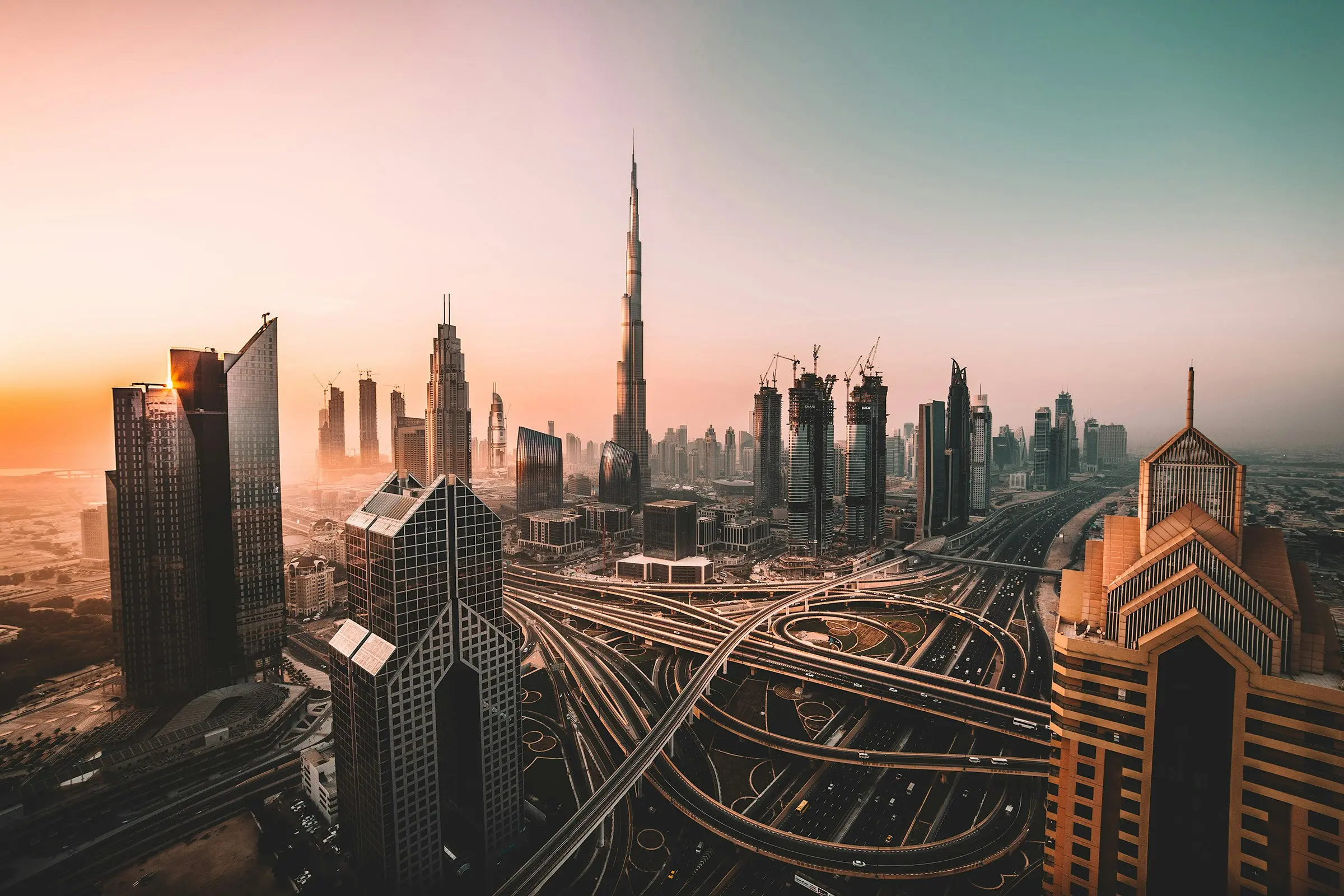
Dubai PropTech Hub: Inside the Dhs4.5 Billion Ecosystem Reshaping Real Estate
Dubai's PropTech Hub is targeting Dhs4.5bn by 2030. Explore the startups, government backing, and AI innovations transforming UAE real estate.

Key Takeaways
- This is a sovereign strategy, backed by the Dubai Land Department (DLD), the Dubai Future Foundation, and some of the most aggressive proptech investment incentives on the planet.
- And for anyone buying, selling, or investing in Dubai property, understanding this ecosystem isn't optional — it's the difference between making informed decisions and guessing.
- What Is the Dubai PropTech Hub The Dubai PropTech Hub is a centralized initiative launched under the Dubai Future Foundation's broader technology strategy.
Dubai PropTech Hub: Inside the Dhs4.5 Billion Ecosystem Reshaping Real Estate
Key Takeaways
- Dubai's PropTech Hub is targeting Dhs4.5 billion in economic impact by 2030, backed by DLD and Dubai Future Foundation
- The ecosystem spans AI-powered valuation, smart contracts, virtual tours, blockchain tokenization, and automated compliance
- Government initiatives like the Dubai PropTech Initiative and DLD's digital transformation are accelerating adoption
- AI and PropTech convergence is creating the next wave of innovation — predictive analytics, autonomous transactions, and hyper-personalized property matching
- Aigents Realty operates at the intersection of AI and PropTech, providing investors with tools that leverage this ecosystem
Dubai has never been content with incremental change. The emirate that built the world's tallest building, the largest artificial island, and a global airline from a desert outpost is now applying that same ambition to real estate technology. The Dubai PropTech Hub — a government-backed initiative targeting Dhs4.5 billion in economic impact by 2030 — represents the most concentrated effort anywhere in the world to digitize and intelligentize the property sector.
This isn't a Silicon Valley experiment. This is a sovereign strategy, backed by the Dubai Land Department (DLD), the Dubai Future Foundation, and some of the most aggressive proptech investment incentives on the planet. And for anyone buying, selling, or investing in Dubai property, understanding this ecosystem isn't optional — it's the difference between making informed decisions and guessing.
What Is the Dubai PropTech Hub
The Dubai PropTech Hub is a centralized initiative launched under the Dubai Future Foundation's broader technology strategy. Its mandate is straightforward: make Dubai the world's most technologically advanced real estate market by 2030.
The Hub serves multiple functions:
Incubator. It provides funding, mentorship, and regulatory sandbox access to PropTech startups, particularly those focused on AI, blockchain, and IoT applications for real estate.
Accelerator. Through partnerships with DLD and RERA, the Hub fast-tracks regulatory approvals for proptech products, reducing what would normally be a 12–18 month compliance process to 3–6 months.
Standard-setter. The Hub establishes technical standards for real estate data exchange, smart contract protocols, and AI model validation — ensuring interoperability across the ecosystem.
Connector. It bridges the gap between traditional real estate players (developers, brokerages, banks) and technology companies, creating commercial partnerships that accelerate adoption.
The Dhs4.5 billion target isn't aspirational — it's calculated from projected startup valuations, operational cost savings across the real estate value chain, and increased transaction volumes driven by technology-enabled efficiency.
The Dhs4.5 Billion Target — Where the Money Goes
Understanding the economic impact breakdown reveals where the real opportunities lie:
AI-Powered Valuation and Analytics (Dhs1.2bn)
Automated Valuation Models (AVMs) and predictive analytics platforms represent the largest segment. These tools replace traditional appraisals with real-time, data-driven valuations that process thousands of comparable transactions, market indicators, and property-specific features simultaneously.
The economic impact comes from three sources:
- Reduced appraisal costs (from AED 3,000–5,000 per valuation to near-zero marginal cost)
- Faster transaction cycles (valuations that took 3–5 days now complete in minutes)
- More accurate pricing (reducing the 10–15% valuation variance common in human appraisals to under 3%)
Smart Contracts and Blockchain (Dhs900m)
Dubai's blockchain strategy for real estate aims to have all property transactions executed on-chain by 2028. The PropTech Hub is accelerating this through:
- Tokenized fractional ownership platforms enabling investment from AED 5,000
- Smart contract-based rental agreements with automated escrow and compliance
- Title deed NFTs providing instant, verifiable proof of ownership
- Cross-border transaction protocols enabling international purchases without traditional banking delays
Virtual and Augmented Reality (Dhs700m)
The pandemic permanently normalized virtual property tours. Dubai's PropTech ecosystem is taking this further:
- AI-generated property visualizations that create photorealistic renderings of off-plan properties
- AR-powered space planning allowing buyers to virtually furnish and modify properties before purchase
- Metaverse property showrooms where developers present entire communities in immersive 3D environments
- Remote transaction completion where buyers can complete the entire purchase process virtually
IoT and Smart Building Technology (Dhs600m)
Smart building management is becoming a regulatory requirement in new Dubai developments. The PropTech Hub's IoT initiatives include:
- Predictive maintenance systems that reduce building operating costs by 15–25%
- Energy optimization AI achieving 20–30% reduction in utility costs
- Occupant experience platforms integrating access control, climate, amenities booking, and community engagement
- Automated compliance monitoring for RERA and DLD regulatory requirements
PropTech Infrastructure and Platforms (Dhs1.1bn)
The foundational layer — data platforms, APIs, and integration frameworks that enable all other applications:
- Open real estate data standards enabling seamless data exchange between platforms
- Unified property identity systems linking DLD records, RERA listings, and utility connections
- AI model validation frameworks ensuring proptech AI models meet accuracy and fairness standards
- Developer APIs enabling third-party applications to build on the ecosystem
Key Players and Startups in the Ecosystem
Dubai's PropTech ecosystem isn't just government ambition — it's populated by real companies building real products:
Established Players
-
Property Finder / Bayut: The dominant listing platforms are investing heavily in AI-powered search, automated valuations, and virtual tour integration. Both have launched AI-driven property matching that learns from user behavior.
-
DLD (Dubai Land Department): Through its digital transformation initiative, DLD has launched the Dubai REST app for instant title deed verification, the Mollak system for service charge transparency, and blockchain-based rental contract registration (Ejari 2.0).
-
Dubai Silicon Oasis Authority: Operating as a PropTech incubator, DSOA provides subsidized office space, regulatory sandbox access, and direct connections to DLD for startups in the program.
Emerging Startups
-
PropTech startups in DIFC Innovation Hub: Over 40 PropTech startups are currently in the DIFC FinTech Hive program, focusing on everything from AI mortgage underwriting to blockchain-based property tokenization.
-
Regional AI valuation companies: Several UAE-based startups are building AVMs specifically trained on Dubai's unique market data, outperforming global models that struggle with Dubai's off-plan dynamics and freehold/leasehold distinctions.
-
Virtual tour platforms: Dubai-based companies are combining AI-generated property visualizations with real-time market data, creating interactive experiences that go far beyond traditional 360° photos.
Government Backing and DLD's Role
The Dubai government's involvement is what separates this PropTech ecosystem from every other attempt globally. This isn't a market-led initiative hoping for regulatory approval — it's a government-led transformation with the private sector as implementation partners.
Dubai PropTech Initiative
Launched under the Dubai Future Foundation, this initiative provides:
- Regulatory sandbox access allowing startups to test products with real users before full licensing
- Direct DLD data partnerships giving approved PropTech companies access to anonymized transaction data for model training
- Government procurement preference — DLD and RERA are required to consider PropTech solutions before traditional alternatives
- Funding matching — the Dubai Future District Fund provides up to 50% co-investment for qualifying PropTech startups
DLD's Digital Transformation
DLD's technology investments are the backbone of the ecosystem:
- Dubai REST: Real-time property data access, title deed verification, and transaction tracking
- Mollak: Transparent service charge accounting for all Dubai properties
- Blockchain Ejari: Smart contract-based rental registration replacing the traditional manual process
- AI-powered fraud detection: Machine learning models flagging suspicious transactions in real-time
RERA's PropTech-Friendly Regulation
RERA has adapted its regulatory framework to accommodate PropTech innovation:
- Virtual brokerage licenses for AI-powered property platforms
- Automated compliance checking for rental contracts and property listings
- Digital transaction protocols enabling end-to-end paperless property purchases
- Proptech-specific insurance frameworks covering AI decision liability and smart contract execution risk
How PropTech Is Changing Property Buying in Dubai
The practical impact of this ecosystem on the property buying experience is already significant:
Before PropTech
- Browse listings on 2–3 platforms
- Contact multiple agents
- Schedule physical viewings (often 10+ properties)
- Wait 3–5 days for valuation
- Manual document preparation
- In-person DLD registration
- 2–4 week transaction timeline
After PropTech
- AI matches properties to your exact criteria and budget
- Virtual tours narrow selection to 2–3 properties
- Physical viewing of shortlisted properties only
- Instant AI-powered valuation with confidence intervals
- Automated document generation and compliance checking
- Digital DLD registration via Dubai REST
- 3–7 day transaction timeline
The efficiency gains are real and measurable. But the more significant change is qualitative: buyers make better-informed decisions because they have access to better data, faster.
AI and PropTech Convergence — The Next Wave
The most transformative developments in Dubai's PropTech ecosystem are happening at the intersection of AI and traditional PropTech:
Predictive Market Intelligence
AI models are being trained on Dubai's complete transaction history (DLD has records going back to 2004) combined with macroeconomic indicators, demographic data, and supply pipeline information. These models can forecast area-level price movements with increasing accuracy, giving investors genuine predictive power.
Autonomous Transaction Systems
The combination of AI decision-making with smart contract execution is creating systems that can:
- Identify investment opportunities matching specific criteria
- Execute due diligence automatically (title verification, encumbrance checking, compliance validation)
- Generate and submit offers through smart contracts
- Complete transactions with minimal human intervention
This isn't theoretical — pilot programs are running in the DLD regulatory sandbox right now.
Hyper-Personalized Property Matching
Traditional property search is keyword-based. AI-powered matching understands context: your lifestyle preferences, commute patterns, community priorities, investment goals, and risk tolerance. The result is recommendations that feel like they came from a trusted advisor, not a search engine.
Natural Language Property Intelligence
AI models are enabling investors to ask complex questions in plain language and receive data-driven answers:
- "Which areas in Dubai have seen rental yield compression of more than 10% in the last 6 months?"
- "What's the probability that JVC 1-bedroom prices will drop below AED 600K by year-end?"
- "Compare the 5-year total return of a Downtown 2BR versus a Dubai Hills 3BR villa"
This is the kind of analysis that previously required a dedicated research team. AI makes it available to every investor.
What This Means for Investors and Buyers
The PropTech ecosystem creates both opportunities and obligations for property market participants:
Opportunities
- Better information = better decisions. Access to real-time data, AI-powered analysis, and predictive tools reduces the information asymmetry that has traditionally favored insiders.
- Lower transaction costs. Digital processes, automated compliance, and smart contracts reduce the friction and cost of buying, selling, and managing property.
- New investment structures. Tokenization enables fractional ownership, portfolio diversification at lower minimums, and access to previously illiquid asset classes.
- Faster market response. AI-powered monitoring allows investors to react to market changes in real-time rather than weeks after the fact.
Obligations
- Technology literacy is no longer optional. Investors who don't understand AI-powered tools will be at a systematic disadvantage.
- Data quality matters. AI models are only as good as their training data. Understanding the limitations and biases of the tools you use is critical.
- Regulatory awareness. The regulatory framework for PropTech is evolving rapidly. Staying current on DLD and RERA requirements for digital transactions is essential.
Aigents Realty's Role in the Ecosystem
Aigents Realty was built for this ecosystem. Our AI-powered platform integrates directly with the PropTech infrastructure that Dubai is building:
- Real-time DLD data integration for accurate valuations and market analysis
- AI-powered property matching that understands investor goals and risk profiles
- Predictive market intelligence trained on Dubai's complete transaction history
- Automated compliance ensuring every transaction meets DLD and RERA requirements
- Digital-first transaction management leveraging smart contracts and digital registration
We're not just using PropTech — we're building it. And we're making it accessible to every investor, from first-time buyers to portfolio managers.
FAQ
What is the Dubai PropTech Hub?
The Dubai PropTech Hub is a government-backed initiative under the Dubai Future Foundation that aims to make Dubai the world's most technologically advanced real estate market by 2030. It provides incubation, acceleration, regulatory sandbox access, and funding for PropTech startups, with a target economic impact of Dhs4.5 billion.
How much is Dubai investing in PropTech?
The Dubai government, through the Dubai Future District Fund and related programs, has committed significant co-investment capital for qualifying PropTech startups. The Dhs4.5 billion figure represents total projected economic impact by 2030, including startup valuations, operational savings, and increased transaction volumes.
Can I buy property entirely online in Dubai?
Yes. Dubai's digital transformation has enabled end-to-end digital property transactions. Through DLD's Dubai REST platform, RERA's digital compliance systems, and PropTech platforms like Aigents Realty, buyers can search, evaluate, negotiate, and complete property purchases without physical presence.
What AI tools are available for Dubai real estate investors?
AI tools available in Dubai include automated valuation models (AVMs), predictive market analytics, AI-powered property matching, natural language property intelligence, smart contract-based transaction systems, and AI-driven rental yield forecasting. Aigents Realty integrates these capabilities into a single platform.
How does blockchain affect Dubai property transactions?
Blockchain enables instant title verification, smart contract-based escrow, automated compliance checking, and tokenized fractional ownership. DLD is moving toward full blockchain-based property registration, with pilot programs already running for rental contracts and off-plan sales.
Is PropTech making Dubai property cheaper to buy?
PropTech is reducing transaction costs (agent fees, legal costs, registration time) rather than property prices directly. However, increased market efficiency and transparency can lead to more accurate pricing, which may reduce the premium that poorly informed buyers previously paid.
What's the biggest risk of PropTech for property investors?
The biggest risk is over-reliance on AI models without understanding their limitations. AI models are trained on historical data and may not accurately predict unprecedented market shifts. Investors should use AI as a powerful input into their decision-making, not as a replacement for judgment.
Explore AI-powered property tools at Aigents Realty — where PropTech meets Dubai real estate expertise. Our platform integrates real-time DLD data, predictive analytics, and smart contract capabilities to give investors the edge in Dubai's most technologically advanced property market.
Related AiGentsRealty resources
Sources and further reading
Practical due diligence checklist
Use this article as a shortlist filter, then validate the specific asset before making a decision. Confirm the current asking price against recent transactions, check the total acquisition cost rather than only the headline price, and review service charges, payment-plan obligations, handover assumptions, and resale liquidity. For off-plan purchases, verify escrow registration, construction progress, developer delivery history, and the exact clauses in the sales and purchase agreement. For ready property, inspect the unit condition, building maintenance, occupancy profile, parking, views, and realistic rental demand.
Before committing, compare at least three alternatives in the same budget band. The strongest option is usually the one where location, entry price, floor plan, developer quality, future supply, and exit strategy all align. Avoid relying on generic area averages or marketing brochures when unit-level evidence is available.